Supply Chain
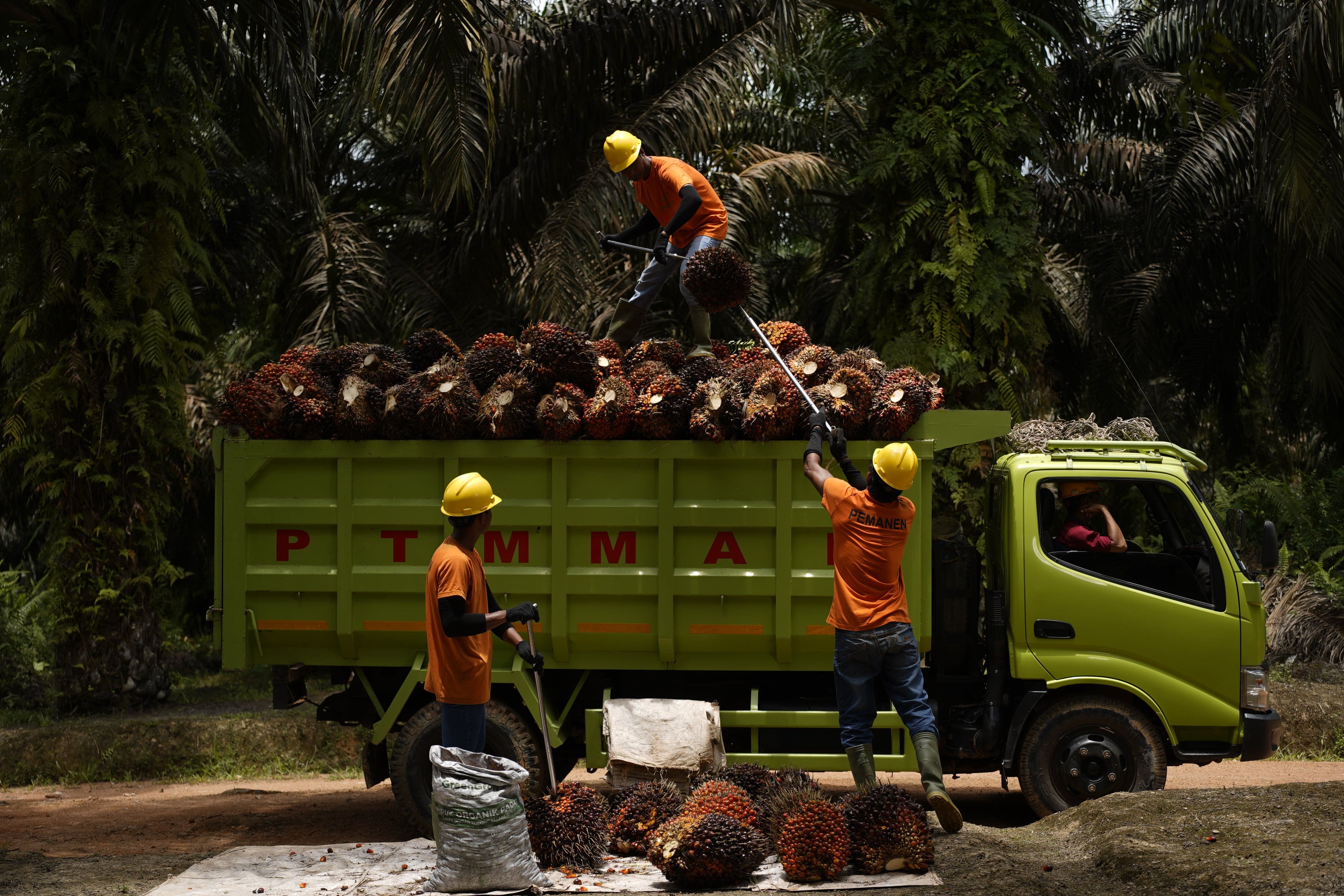
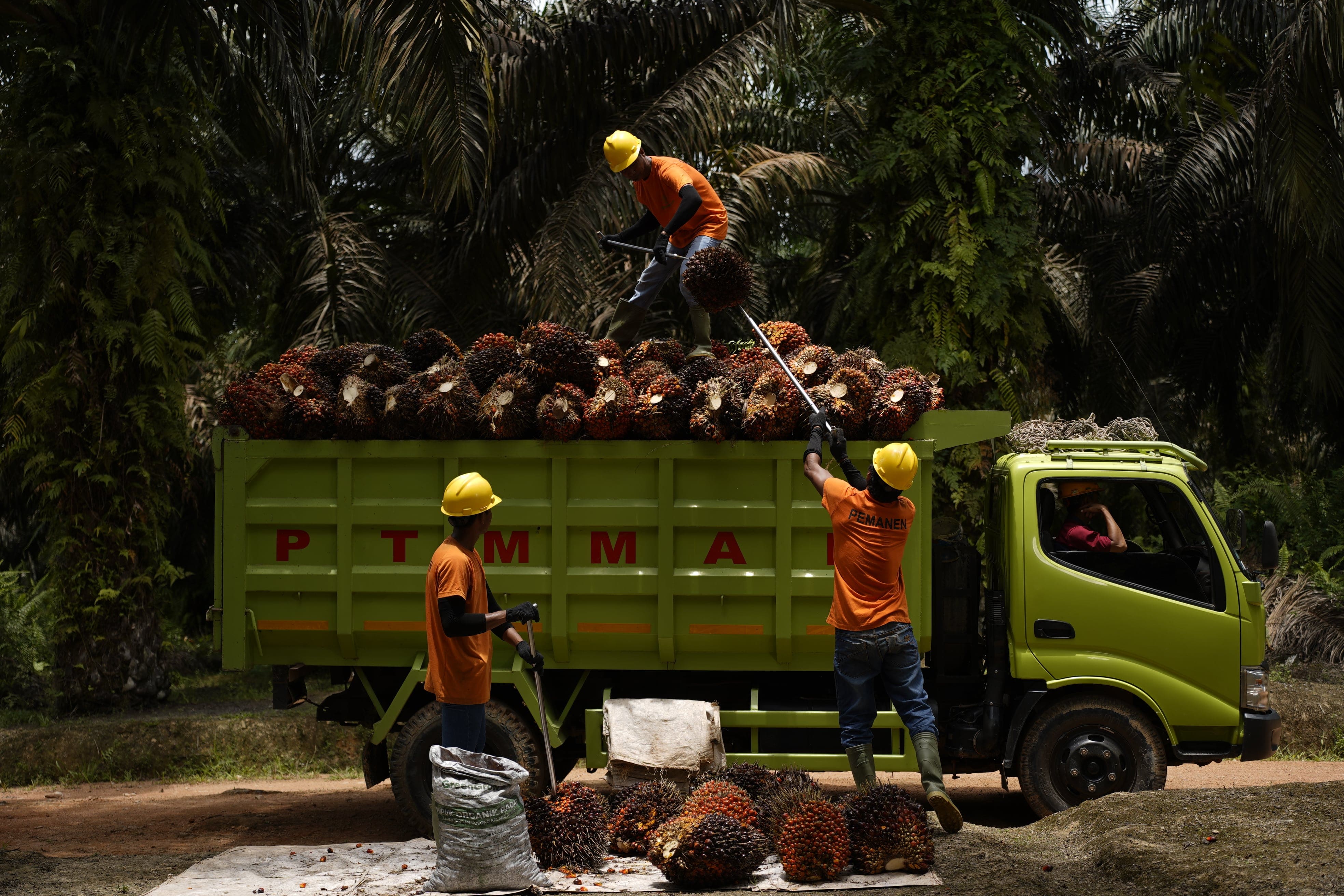
MKTR manages an integrated and traceable supply chain spanning nucleus estates, plasma plantations, independent smallholders, processing facilities, and product distribution. The Company ensures that all raw materials are sourced from legal and responsible suppliers in accordance with sustainability principles, supporting product quality and operational reliability.
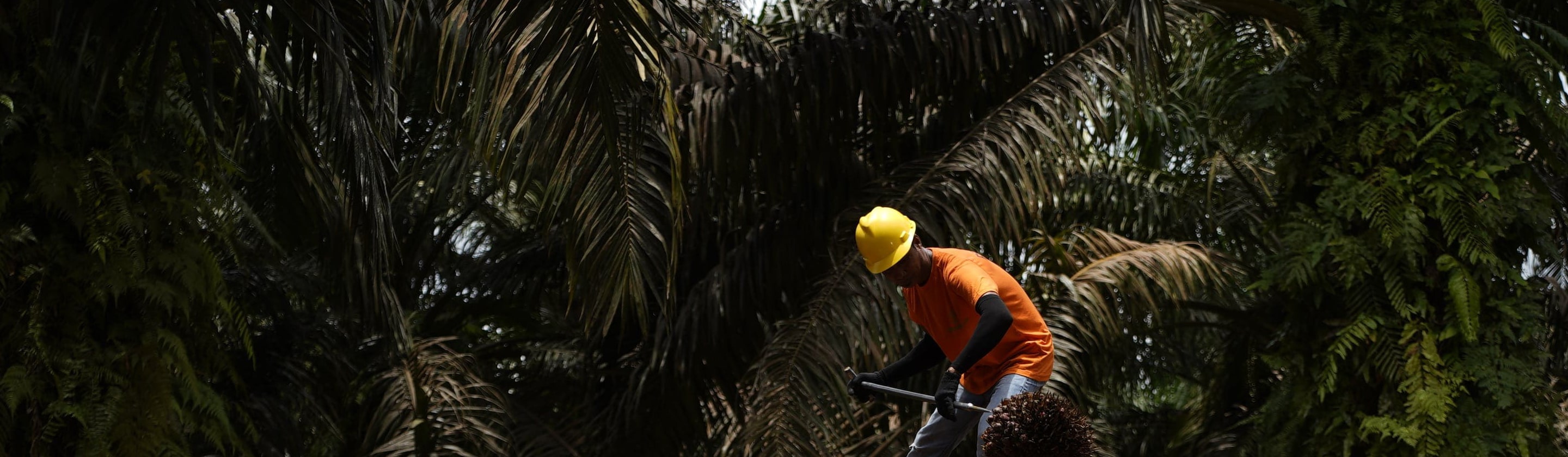
To maintain a stable supply of raw materials, approximately 62% of the Fresh Fruit Bunches (FFB) processed by the Company in 2025 were supplied from its own nucleus and plasma plantations, while the remaining 38% were sourced from third parties, including independent smallholders, cooperatives, and nearby plantation companies. In 2025, MKTR partnered with 113 FFB suppliers across Central Kalimantan, comprising 77 independent smallholders, 1 cooperative, 1 plantation company (CV), and 34 partnership estates. Through long-term partnerships and responsible sourcing practices, the Company continues to strengthen supply chain resilience while creating shared value for its business partners and local communities.